Getting ready for Kindergarten through everyday life
Support conversation, curiosity, play, and practical routines before Kindergarten without turning readiness into a test.
Published by PLA Online SchoolEditorial policy
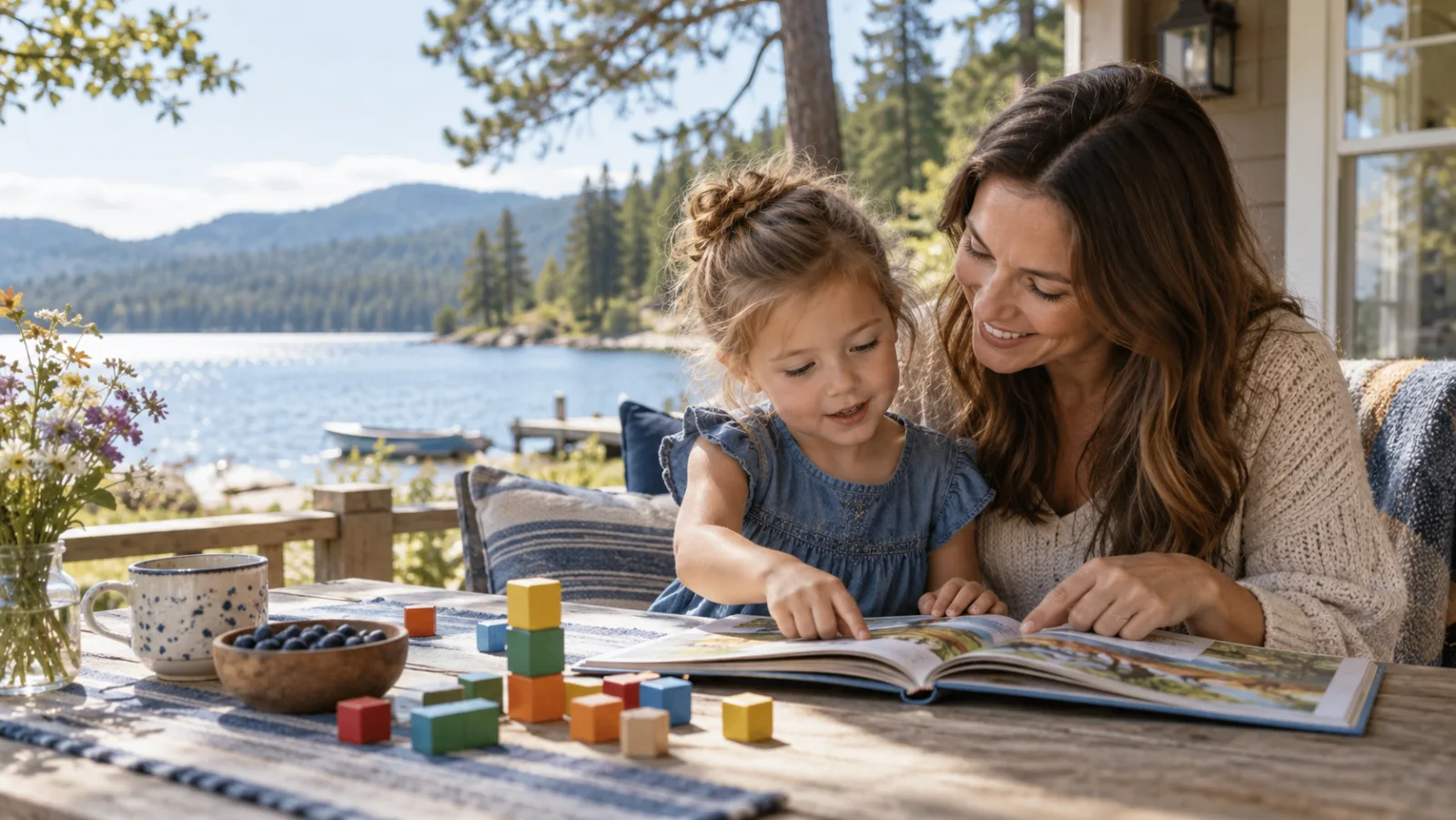
Look beyond letters and numbers
Getting ready for Kindergarten includes how a child explores, communicates, asks for help, and takes part in an activity with another person. Knowing letters is only one part of that picture. Notice situations in which your child feels confident and situations that require more support. Use those observations to choose small opportunities for practice. Children arrive with different experiences, so a home checklist should help you understand your child rather than rank them against another family.
- Notice curiosity, communication, and everyday independence.
- Describe strengths as well as questions.
- Ask the school about its age and enrollment requirements.
Make room for conversation and stories
Read together and pause to hear what your child notices. They might describe a picture, predict what happens next, or connect a character's experience with their own. During ordinary activities, invite them to explain a choice or tell you what happened first and next. Give them time to answer without finishing the thought for them. These are chances to enjoy language together, rather than a series of questions with a correct answer your child must guess.
- Let the child choose some of the books.
- Retell a familiar story with toys or drawings.
- Use the languages your family speaks comfortably.
Find early math in play
Everyday objects offer plenty to investigate. Sort a collection of buttons by an attribute, compare two towers, or work out whether there are enough cups for everyone at the table. Ask your child to show you how they decided. If they change their mind, explore the new idea together. Keep objects appropriate for the child's age and supervise materials as needed. The useful part is the child's reasoning and participation, not finishing a worksheet or moving quickly to larger numbers.
- Compare size, quantity, shape, and position.
- Make and extend a simple pattern.
- Count objects while touching or moving each one.
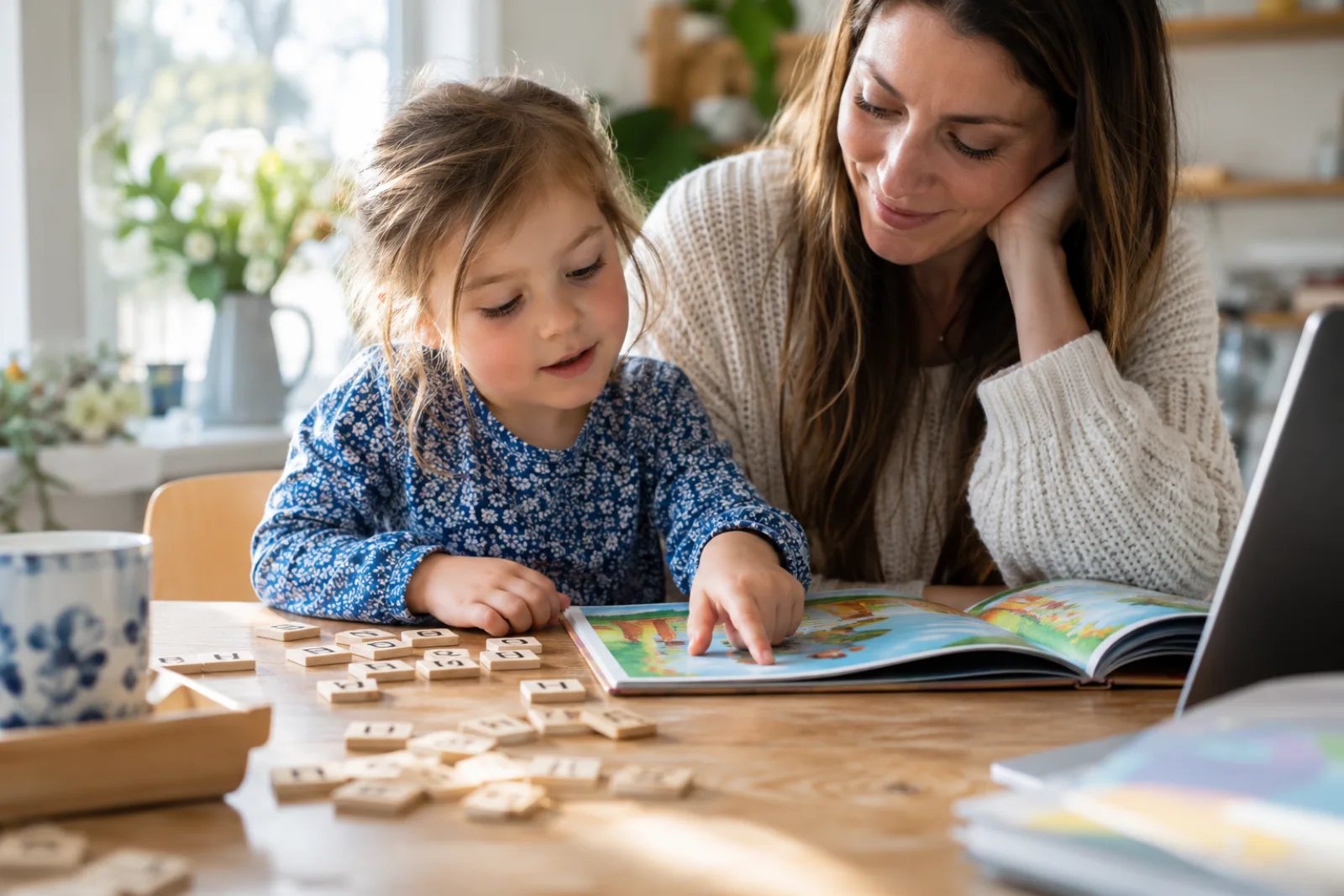
Practice small routines and asking for help
Choose a manageable responsibility, such as putting crayons away or bringing a book to the reading spot. Demonstrate it, do it together, and offer another chance later. Practice the words a child can use when something is difficult: asking for a direction again, requesting a break, or explaining that a material is missing. Keep expectations clear and kind. A routine becomes useful when the child recognizes what comes next and knows how to get support.
- Use a short picture sequence for familiar tasks.
- Give one direction before adding another.
- Notice effort and a specific action the child completed.
Introduce learning technology gently
If the child will learn online, explore the actual device together before school begins. Practice sitting comfortably, hearing the speaker, finding a button, and asking an adult when the screen changes unexpectedly. Keep the practice purposeful and return to hands-on activity afterward. Ask the school which controls the child will use and which tasks an adult should handle. Technology preparation is about removing an obstacle to participation, not expecting a young child to manage accounts or troubleshoot alone.
- Check that the child can see and hear comfortably.
- Practice the school's basic participation controls.
- Keep drawing, building, movement, and play in the day.
Bring useful observations to the school
Before an introductory conversation, write down examples of what engages your child, how they respond to a difficult task, and when adult help is most useful. Mention language background, existing support, and any concerns you want to discuss. Ask how the school gets to know new learners and communicates with families. There is no need to coach the child into a polished performance. A truthful picture helps adults plan a more appropriate beginning and decide what to watch during the transition.
- Share an example instead of a general label.
- Ask how readiness observations inform the first lessons.
- Agree on a way to raise questions after starting.
Questions families ask
Must a child read before Kindergarten?
Do not treat home readiness as a reading entrance test. Ask the specific school about its expectations and share what the child currently enjoys and can do.
Should we practice on worksheets every day?
Conversation, books, play, drawing, and everyday responsibilities offer useful practice. Choose activities your child can participate in meaningfully and ask the teacher about any specific learning target.
What if my child needs help with routines?
Practice one small routine together and tell the school what support works. Readiness information should guide support, not become a judgment about the child.
Further reading
These resources offer additional perspectives on the topics in this guide.
Turn your questions into a learning plan.
Explore the program page and make a note of the details your family wants to discuss.
Explore online Kindergarten