Demonstration profiles

These fictional names, portraits, qualifications and biographies illustrate a range of teaching approaches. They do not identify actual PLA staff.

Teaching profile gallery

Explore twenty fictional profiles across four learning stages, with different subjects, backgrounds and approaches to learning.

Explore the profiles
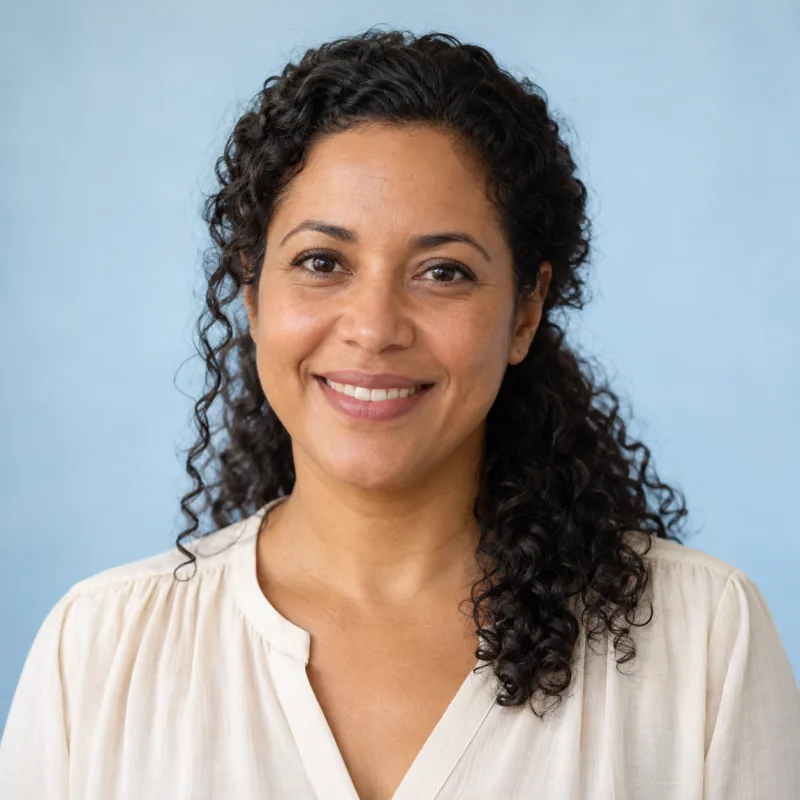
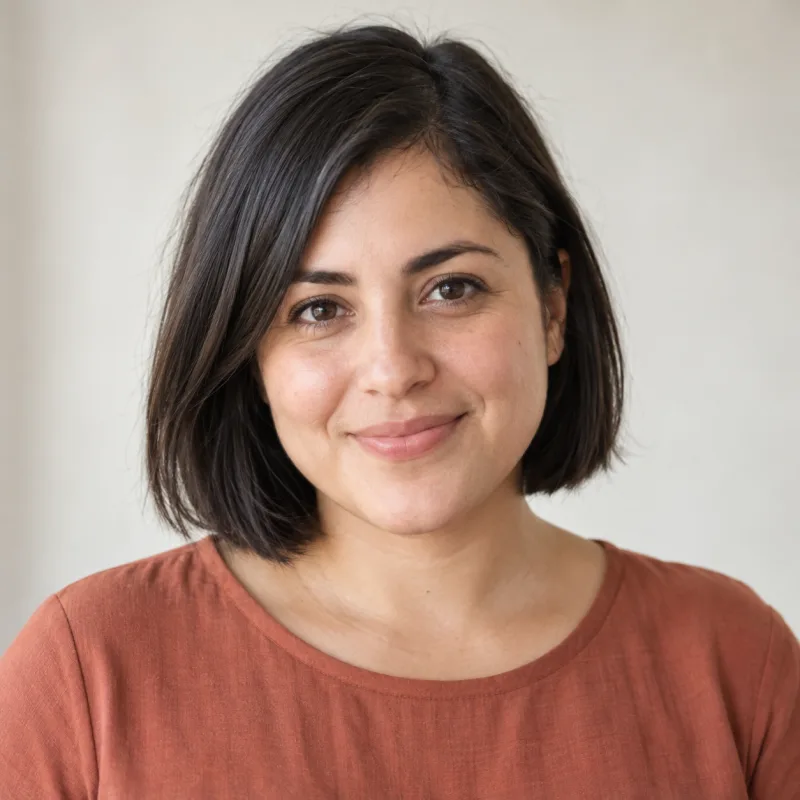
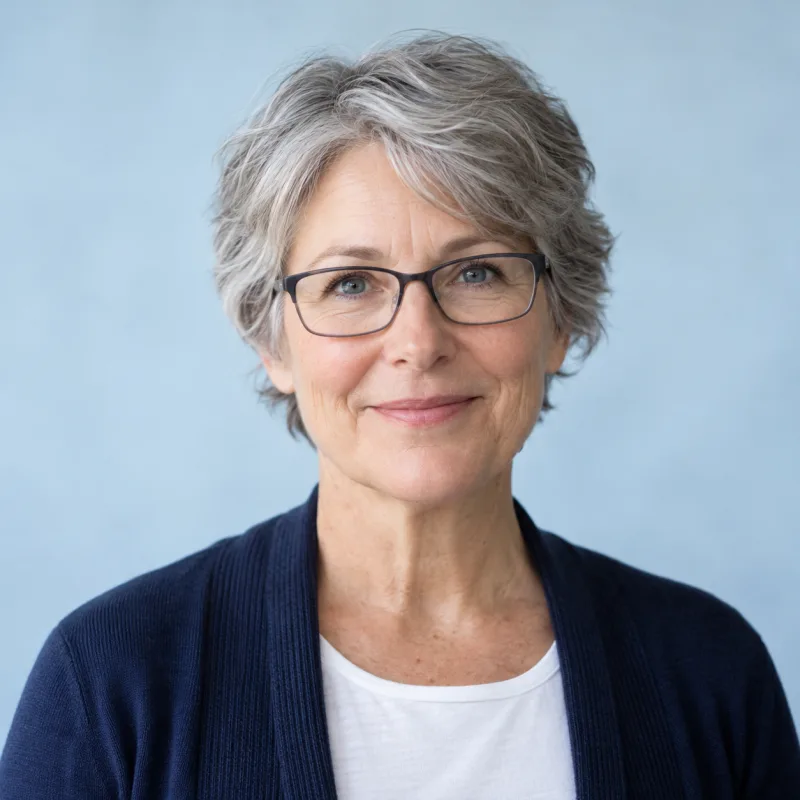
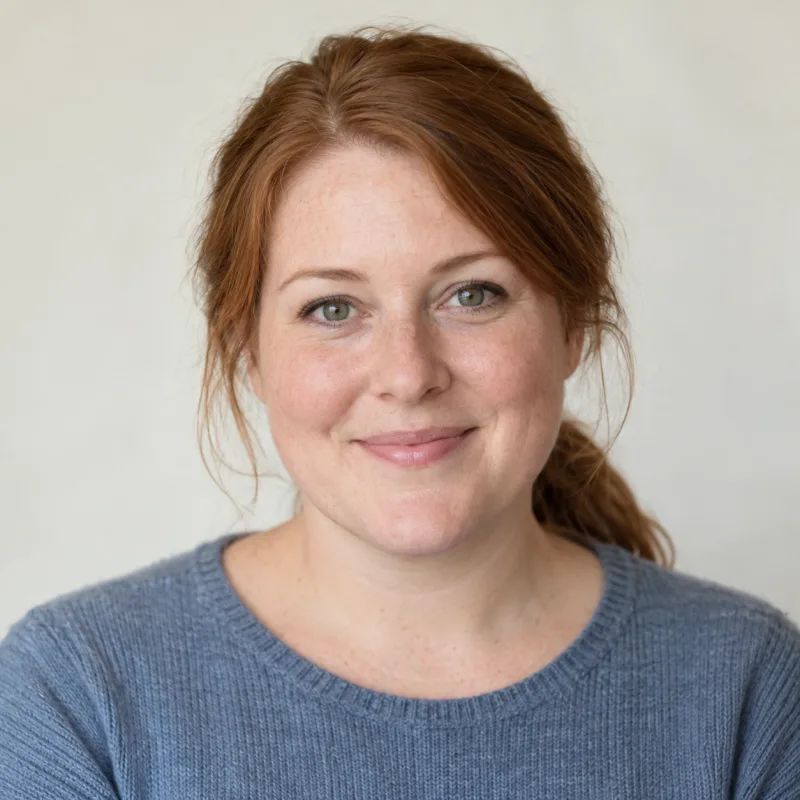
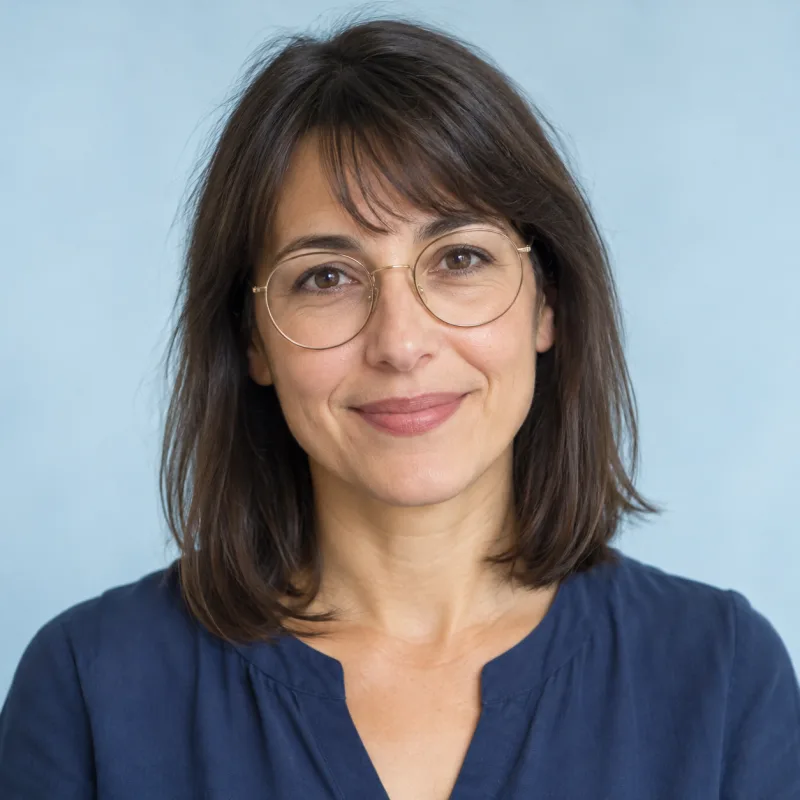
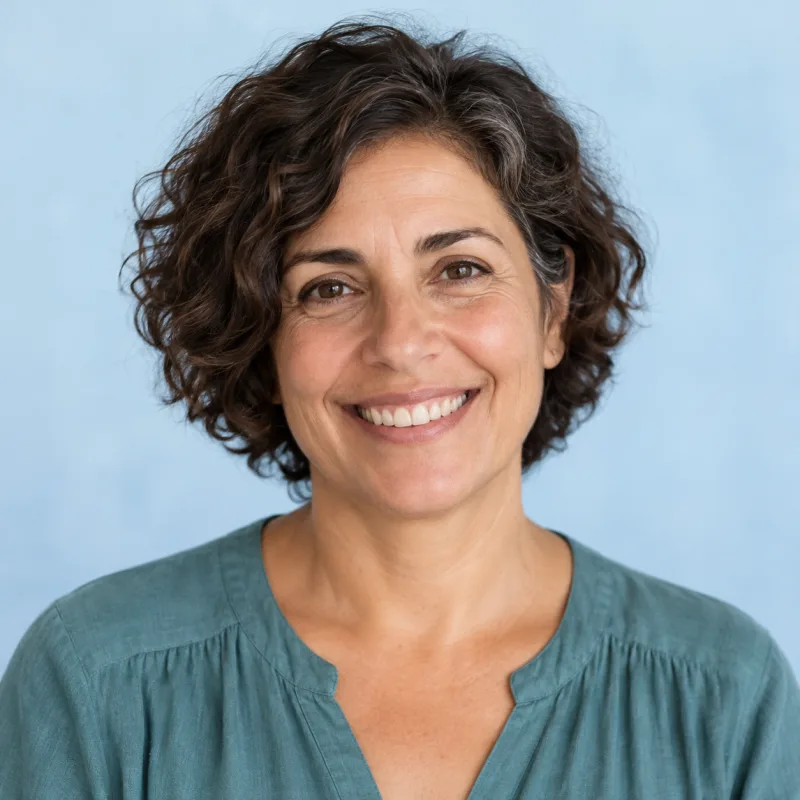
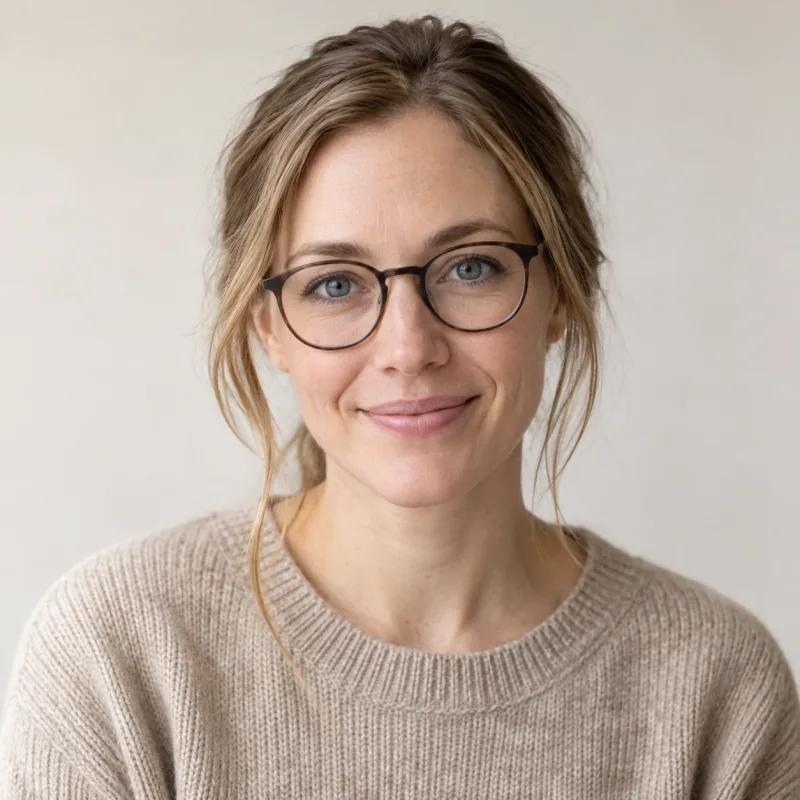
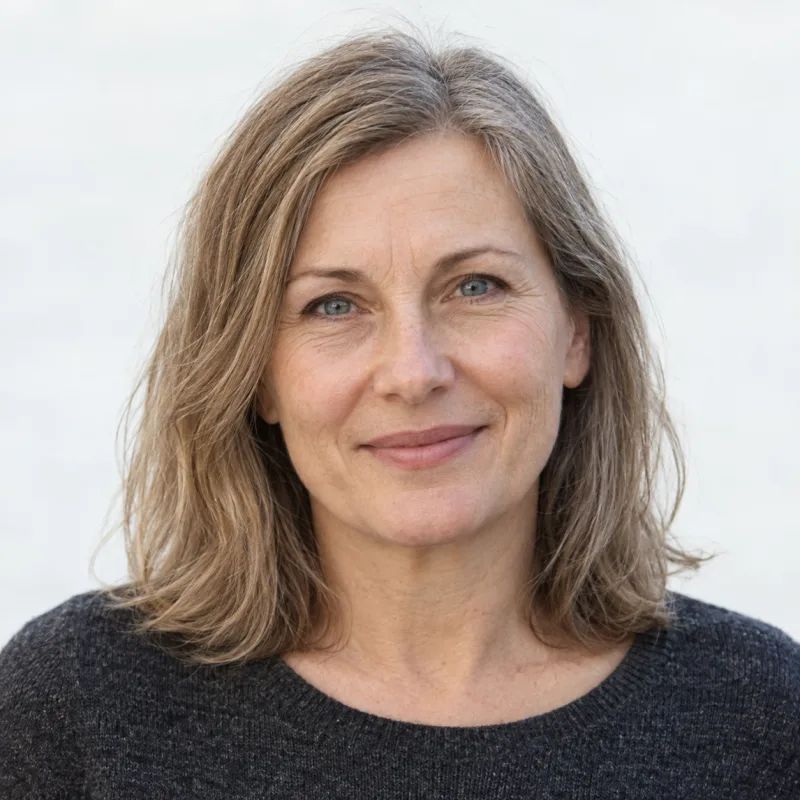
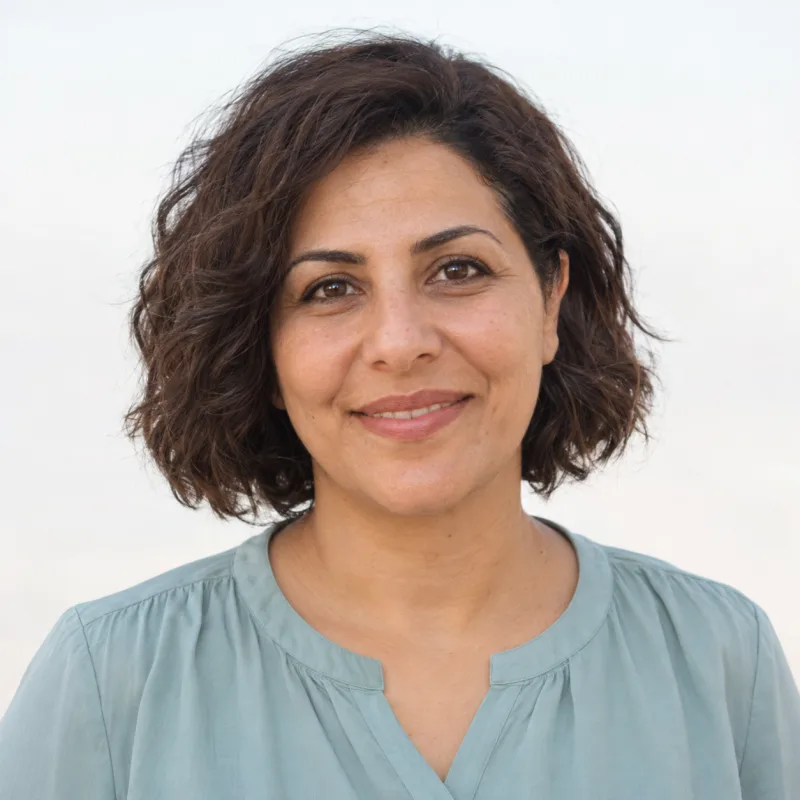
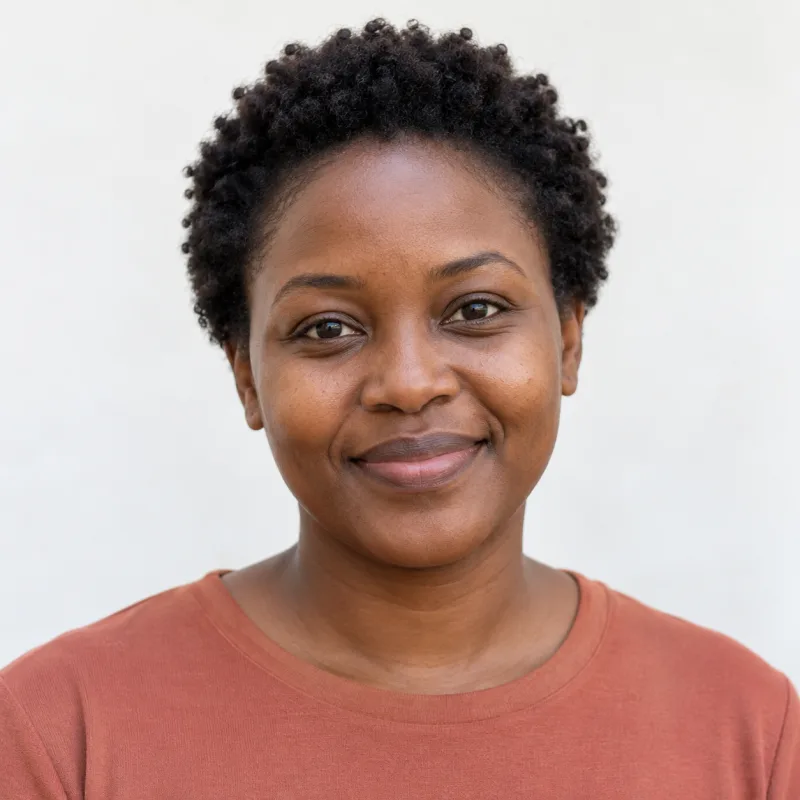
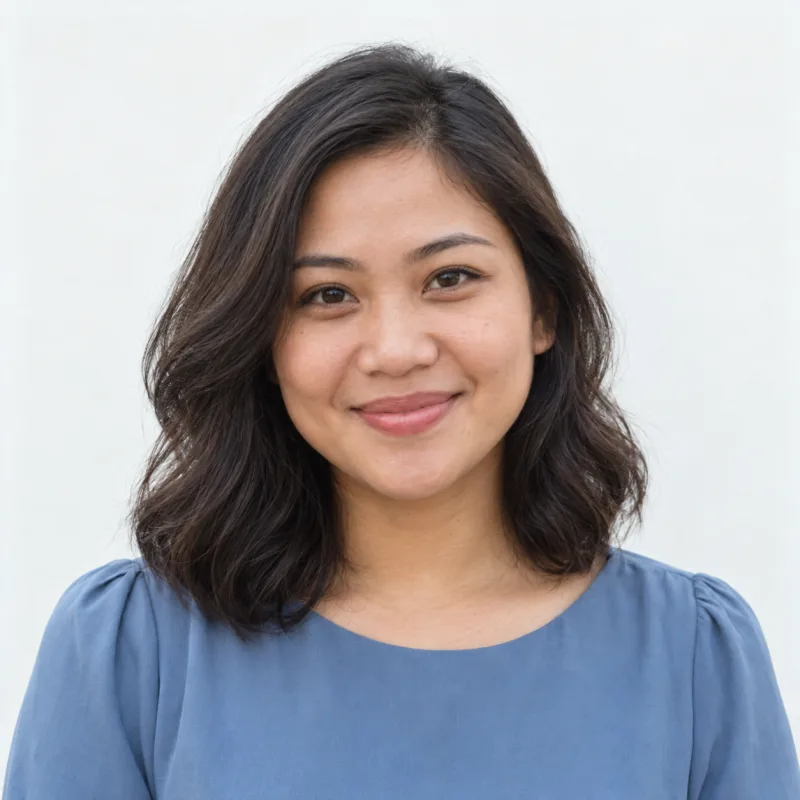
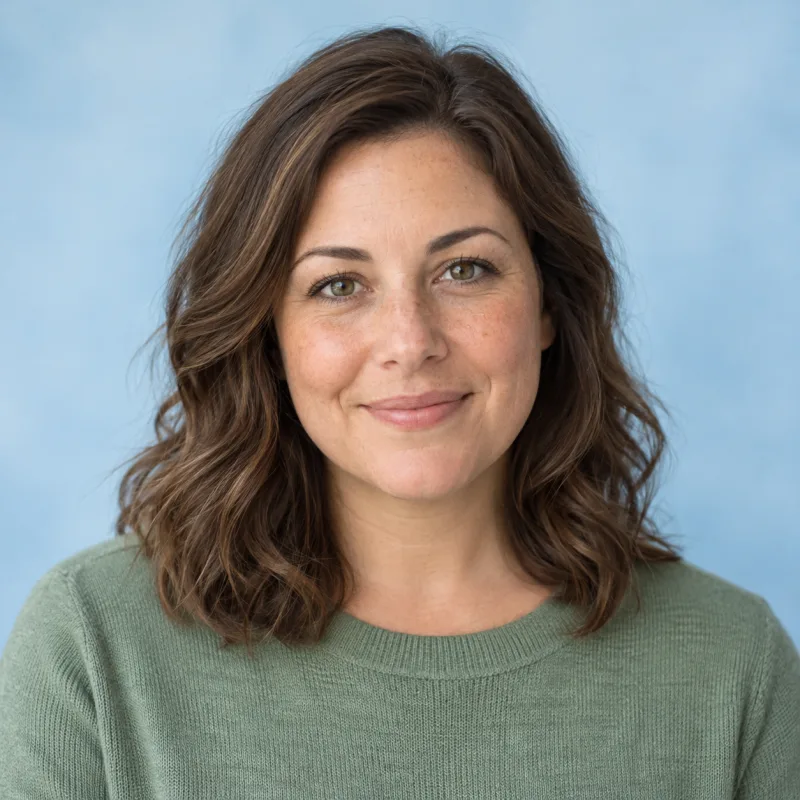
Portrait concept for Amelia Rowan, a fictional teacherPortrait concept for Tobi Adebayo, a fictional teacher
Portrait concepts · Fictional people

A perspective for every stage

Open a biography to explore a teaching background and a practical approach to learning.

Showing all 20 fictional profiles

Portrait for the fictional profile Amelia Rowan
Fictional profile

Canada Kindergarten

Amelia Rowan

Early Literacy · Early Mathematics · Storytelling

Amelia designs short reading, counting and storytelling activities that help young children explain their ideas and give families clear ways to support practice.

Read biographyClose biography

This fictional biography does not describe an actual PLA staff member.

A child's drawing can tell Amelia as much as a finished worksheet. She asks children to talk through what they have made, then uses their words to connect speaking, early reading and writing. Her background in early childhood education and language development supports twelve years of work with mixed readiness groups, including children learning through more than one language. She began by creating activity packs for families and still favors materials an adult can prepare easily. Storytelling runs through her teaching: a paper theater, a retold event or a counting problem with characters gives each short activity a clear purpose.

Learning stage
Kindergarten
Illustrative qualifications
Bachelor's degree in early childhood education; postgraduate study in children's language development
Illustrative experience
12 years
Nationality
Canadian
Languages
English, French

Teaching approach

Ask the child to show an idea with objects or a drawing before explaining it in words.

Portrait for the fictional profile Mateo Villaseñor
Fictional profile

Mexico Elementary School

Mateo Villaseñor

Mathematics · Science · Geography

Mateo connects elementary mathematics and science through measurement, maps and everyday observations, with feedback that helps students make their reasoning visible on the page.

Read biographyClose biography

This fictional biography does not describe an actual PLA staff member.

Designing activities for a small science exhibition taught Mateo to take children's questions seriously. A visitor asking why two containers held different amounts could turn a demonstration into a lesson about measurement, estimation and fair comparison. His environmental studies background and later elementary education study brought those interests into classroom teaching. He now connects mathematics, science and geography through projects using paper, string and reusable containers. Students record how they checked a result, not just the answer. Mateo keeps an illustrated notebook of neighborhood walks, and observations from those pages often inspire a map exercise or a question about changing light.

Learning stage
Grades 1–5
Illustrative qualifications
Bachelor's degree in environmental studies; postgraduate study in elementary education
Illustrative experience
7 years
Nationality
Mexican
Languages
English, Spanish

Teaching approach

Use an everyday measurement, then ask the student to explain how they checked it.

Portrait for the fictional profile Isadora Paiva
Fictional profile

Brazil Middle School

Isadora Paiva

English Language Arts · Media Literacy · Visual Storytelling

Isadora helps middle school students shape clear arguments, examine media choices and revise their writing through specific examples, thoughtful questions and manageable next steps.

Read biographyClose biography

This fictional biography does not describe an actual PLA staff member.

Who will read this, and what do they need to understand? Those questions guide Isadora's work in English language arts and media literacy. Before teaching, she prepared short texts for a community magazine, learning how a small editorial choice could change a reader's impression. Her language education and visual storytelling studies now meet in assignments that combine passages, illustrations and everyday media messages. Students compare openings, examine how an image supports a claim and revise for a different audience. Eighteen years of teaching have strengthened her preference for precise comments: point to a passage, explain its effect and leave the writer a meaningful decision.

Learning stage
Grades 6–8
Illustrative qualifications
Bachelor's degree in language education; diploma in visual storytelling
Illustrative experience
18 years
Nationality
Brazilian
Languages
English, Portuguese

Teaching approach

Compare two versions of a paragraph and identify which choice better serves the reader.

Portrait for the fictional profile Lucía Arbeláez
Fictional profile

Colombia Elementary School

Lucía Arbeláez

Science · Reading · Project Learning

Lucía develops elementary projects that pair careful observation with reading and simple records, helping children distinguish what they notice from what they predict.

Read biographyClose biography

This fictional biography does not describe an actual PLA staff member.

Lucía likes projects that reward a second look. A seedling measured on Monday or a drawing revisited on Friday gives children a reason to compare records and reconsider an explanation. She first became interested in education while helping organize a neighborhood growing project, then studied primary education and introductory biology. In her elementary work, science investigations sit alongside short informational texts, so children practice reading for a purpose. She asks them to separate what they noticed from what they expected. A labeled drawing or one additional observation often becomes the next step. Making ceramic plant markers gives her another way to combine careful observation with practical work.

Learning stage
Grades 1–5
Illustrative qualifications
Bachelor's degree in primary education; additional study in introductory biology
Illustrative experience
4 years
Nationality
Colombian
Languages
English, Spanish

Teaching approach

Separate an observation from a prediction, then record what happened in a labeled sketch.

Portrait for the fictional profile Eleanor Whitcombe
Fictional profile

United Kingdom High School

Eleanor Whitcombe

English Literature · Academic Writing · Research Skills

Eleanor guides high school readers and writers through close reading, source evaluation and revision, encouraging supported interpretations and a deliberate, independent writing process.

Read biographyClose biography

This fictional biography does not describe an actual PLA staff member.

Eleanor welcomes different interpretations of a text when students can show how they reached them. Across twenty-nine years of secondary teaching, she has worked with introductory literature groups, extended writing projects and learners returning to demanding reading after losing confidence. Her earlier manuscript preparation work informs the attention she gives to language and structure. She may spend time on a single sentence before opening a discussion about the whole scene. Longer assignments develop through decisions about evidence, organization and revision, drawing on her literature and education studies. On coastal walks, she keeps a handwritten journal of places, practicing the close description she asks of her students.

Learning stage
Grades 9–12
Illustrative qualifications
Bachelor's degree in literature; master's degree in education
Illustrative experience
29 years
Nationality
British
Languages
English, French

Teaching approach

Choose a short passage, make an interpretation and test it against the author's exact words.

Portrait for the fictional profile Niamh Keegan
Fictional profile

Ireland Kindergarten

Niamh Keegan

Early Mathematics · Oral Language · Creative Play

Niamh uses playful routines, movement and conversation to build early number sense and oral language, with small activities families can understand and repeat.

Read biographyClose biography

This fictional biography does not describe an actual PLA staff member.

Before entering early years education, Niamh organized props and schedules for small theater productions. She still notices how a familiar cue, a well-chosen object and a clear role can help someone join an activity. Her childhood learning and play-based curriculum studies shaped a teaching practice built around movement, sorting and conversation. A repeating pattern might become a sequence of steps; a missing object might begin a story about number. Niamh sews reusable fabric shapes and invents cooperative games that need little equipment. For families, she describes one skill to watch for and a short way to practice it without extending the session unnecessarily.

Learning stage
Kindergarten
Illustrative qualifications
Bachelor's degree in childhood learning; postgraduate study in play-based curriculum design
Illustrative experience
9 years
Nationality
Irish
Languages
English, Irish

Teaching approach

Turn one learning goal into a short game, then ask the child to describe the rule.

Portrait for the fictional profile Camille Delaunay
Fictional profile

France Middle School

Camille Delaunay

Mathematics · Geometry · Design

Camille makes mathematical reasoning tangible through diagrams, models and design problems, helping middle school students connect a procedure with the idea it represents.

Read biographyClose biography

This fictional biography does not describe an actual PLA staff member.

Camille asks students to sketch what a problem means before they commit to a calculation. Comparing a drawing with the final result often exposes an assumption that would otherwise remain hidden. Her route from prototype drawing to mathematics teaching brought a lasting interest in dimensions, models and checking an idea early. Mathematics education and product design studies support sixteen years of work connecting visual representations with precise language. Students build paper forms, compare solution methods and explain where those methods agree. Camille also restores simple wooden furniture, where a careful measurement matters as much as a convincing sketch. Her classroom questions keep that connection between reasoning and practical checking visible.

Learning stage
Grades 6–8
Illustrative qualifications
Bachelor's degree in mathematics education; diploma in product design
Illustrative experience
16 years
Nationality
French
Languages
English, French, Spanish

Teaching approach

Sketch the relationship first, solve the problem, and check whether the result fits the sketch.

Portrait for the fictional profile Jonas Albrecht
Fictional profile

Germany High School

Jonas Albrecht

Computer Science · Mathematics · Digital Citizenship

Jonas teaches computing through small, testable projects, encouraging students to explain decisions, read errors carefully and consider how digital tools affect their users.

Read biographyClose biography

This fictional biography does not describe an actual PLA staff member.

An unexpected result gives Jonas somewhere to begin. He encourages students to trace a small example by hand, read an error message carefully and isolate one possible cause. Earlier work maintaining tools for a small logistics team taught him how much clear explanations matter to the people using software. After studying computing and secondary education, he brought that practical attention into high school teaching. His projects include explicit input limits, simple tests and a description of the intended user. Mathematics and digital citizenship sit alongside programming decisions. Building mechanical puzzles remains a favorite pastime, especially when he can document a solution someone else can follow.

Learning stage
Grades 9–12
Illustrative qualifications
Bachelor's degree in computing; postgraduate study in secondary education
Illustrative experience
13 years
Nationality
German
Languages
English, German

Teaching approach

Trace a small example by hand, write the code, then test an ordinary case and an edge case.

Portrait for the fictional profile Giulia Bellandi
Fictional profile

Italy Elementary School

Giulia Bellandi

Visual Arts · Reading · Social Studies

Giulia connects drawing, reading and social studies through thoughtful projects that help elementary students observe details, organize information and explain the choices they make.

Read biographyClose biography

This fictional biography does not describe an actual PLA staff member.

A timeline, a labeled illustration and a story map can each reveal something about how a child understands a topic. Giulia uses visual work to connect reading, social studies and art, making the purpose of a project clear before students begin. Her teaching grew from weekend drawing workshops into twenty-one years of elementary education, supported by studies in primary teaching and visual arts. She asks children to explain a choice in their work before suggesting another technique. Looking carefully matters more to her than producing identical pictures. Her own sketchbooks fill with household objects, and she makes notebooks from leftover paper to encourage frequent, low-pressure experimentation.

Learning stage
Grades 1–5
Illustrative qualifications
Bachelor's degree in primary education; diploma in visual arts practice
Illustrative experience
21 years
Nationality
Italian
Languages
English, Italian

Teaching approach

Use a drawing to organize information, then explain one choice that helps the viewer understand it.

Portrait for the fictional profile Zofia Malinowska
Fictional profile

Poland Middle School

Zofia Malinowska

Science · Earth Science · Data Skills

Zofia helps students build scientific explanations from measurements and models, with a focus on fair comparisons, readable graphs and honest descriptions of uncertainty.

Read biographyClose biography

This fictional biography does not describe an actual PLA staff member.

Zofia wants a graph to answer a question. Before students collect measurements, she asks what they need to compare and how a reader will understand the scale. Organizing environmental data for research projects first made her aware of the misunderstandings that poorly explained figures can create. Earth science studies and later science education work gave her ways to teach those distinctions. She photographs changing clouds and builds cardboard models, bringing both habits of observation into accessible investigations. Students describe patterns, consider what a model leaves out and separate a sound observation from a conclusion that needs more evidence. Her comments help them make that final connection explicit.

Learning stage
Grades 6–8
Illustrative qualifications
Bachelor's degree in earth science; postgraduate study in science education
Illustrative experience
6 years
Nationality
Polish
Languages
English, Polish

Teaching approach

State the question, label the measurements, and explain what the evidence can support.

Portrait for the fictional profile Kateryna Verbytska
Fictional profile

Ukraine High School

Kateryna Verbytska

Mathematics · Statistics · Study Skills

Kateryna supports high school mathematics through worked comparisons and purposeful practice, helping students explain assumptions, interpret results and plan a useful revision process.

Read biographyClose biography

This fictional biography does not describe an actual PLA staff member.

Two plausible answers can make a useful mathematics lesson. Kateryna asks students to compare the methods behind them and explain the assumptions each method requires. Preparing numerical summaries for a planning team gave her an early appreciation of the difference between calculating a number and interpreting it. She later studied mathematics education and has spent twenty-four years teaching secondary learners. Applied mathematics, statistics and purposeful revision form the center of her work. Longer tasks begin with a brief plan and end with a check of what needs revisiting. Designing logic problems and repairing bicycles both appeal to her habit of finding the point where an otherwise sensible process breaks down.

Learning stage
Grades 9–12
Illustrative qualifications
Bachelor's degree in applied mathematics; master's degree in mathematics education
Illustrative experience
24 years
Nationality
Ukrainian
Languages
English, Ukrainian

Teaching approach

Compare two methods and explain the assumptions that make each one appropriate.

Portrait for the fictional profile Deniz Erdem
Fictional profile

Turkey High School

Deniz Erdem

World History · Geography · Source Analysis

Deniz guides students through historical questions using timelines, maps and source comparison, encouraging precise claims and attention to the limits of available evidence.

Read biographyClose biography

This fictional biography does not describe an actual PLA staff member.

A historical source can be useful and incomplete at the same time. Deniz begins there, asking students who created a document, what question it helps answer and which voices remain absent. Organizing material for a local history collection shaped those interests before history and humanities education studies led to teaching. In high school assignments, maps and timelines provide context for comparing accounts. Students distinguish a source's wording from their own interpretation and connect each claim to a specific detail. Deniz draws route maps after long walks, an exercise that also raises questions about selection: every map emphasizes some features and leaves others out.

Learning stage
Grades 9–12
Illustrative qualifications
Bachelor's degree in history; postgraduate study in humanities education
Illustrative experience
11 years
Nationality
Turkish
Languages
English, Turkish

Teaching approach

Identify a source's perspective and connect each historical claim to a specific piece of evidence.

Portrait for the fictional profile Mariam Nassar
Fictional profile

Egypt Kindergarten

Mariam Nassar

Early Mathematics · Early Literacy · Learning Routines

Mariam creates clear early learning routines that combine stories and mathematical thinking, helping children attempt a task and explain an idea before seeking another prompt.

Read biographyClose biography

This fictional biography does not describe an actual PLA staff member.

Mariam tests the directions for her homemade board games by watching someone try to play. That habit carries into her teaching: when a child hesitates, she considers whether the task itself needs a clearer explanation. Fifteen years in early childhood classrooms and work developing learning materials have made concise instructions central to her practice. Her studies in early childhood education and curriculum planning support activities with a short direction, an example and a natural checking point. Children retell a story event or show a counting idea in their own way. Mariam then identifies the first confusing step and offers a prompt that leaves the next attempt to the child.

Learning stage
Kindergarten
Illustrative qualifications
Bachelor's degree in early childhood education; postgraduate study in curriculum planning
Illustrative experience
15 years
Nationality
Egyptian
Languages
English, Arabic

Teaching approach

Give one clear task, invite an independent attempt and review the first confusing step.

Portrait for the fictional profile Imani Wekesa
Fictional profile

Kenya Kindergarten

Imani Wekesa

Early Literacy · Movement · Discovery Activities

Imani combines stories, movement and simple discovery tasks to support young learners, giving families concrete prompts that invite children to notice, describe and try.

Read biographyClose biography

This fictional biography does not describe an actual PLA staff member.

Listening, moving, making and explaining each have a place in Imani's early learning activities. A child might act out a story sequence, sort objects by a chosen feature or change one part of a balancing challenge. Leading creative movement sessions first drew her attention to the relationship between action, language and concentration. She later studied early childhood learning and creative movement education, building a practice that gives children several ways to show understanding. Her notes to families describe what the child demonstrated and suggest one practical prompt. Simple balance sculptures and rhythms made with household objects provide a steady source of ideas for short, focused discovery tasks.

Learning stage
Kindergarten
Illustrative qualifications
Bachelor's degree in early childhood learning; diploma in creative movement education
Illustrative experience
8 years
Nationality
Kenyan
Languages
English, Swahili

Teaching approach

Let the child act out an idea, describe what happened and try one small change.

Portrait for the fictional profile Tobi Adebayo
Fictional profile

Nigeria Middle School

Tobi Adebayo

English Language Arts · Drama · Communication

Tobi uses dialogue, reading and purposeful revision to help middle school students communicate clearly, consider an audience and support their ideas with relevant details.

Read biographyClose biography

This fictional biography does not describe an actual PLA staff member.

Reading a passage aloud often helps Tobi's students hear where its meaning becomes unclear. He uses dialogue, drama and revision to explore how language changes with an audience. Writing scripts for small educational performances was his first route into that work; language and performance studies, followed by secondary education study, took it into the classroom. A lesson might turn a passage into a conversation or reshape a speech as a concise paragraph. His comments ask what the reader needs at a particular moment. Repairing audio equipment and recording sound pieces from ordinary indoor spaces keep him attentive to the difference between receiving a message and understanding it.

Learning stage
Grades 6–8
Illustrative qualifications
Bachelor's degree in language and performance studies; postgraduate study in secondary education
Illustrative experience
10 years
Nationality
Nigerian
Languages
English, Yoruba

Teaching approach

Name the audience, read the work aloud and revise a passage that leaves the meaning unclear.

Portrait for the fictional profile Ananya Kulkarni
Fictional profile

India Elementary School

Ananya Kulkarni

Mathematics · Science · Problem Solving

Ananya builds elementary problem solving through objects, sketches and short explanations, helping students compare strategies and understand why a method works before practicing it.

Read biographyClose biography

This fictional biography does not describe an actual PLA staff member.

Ananya carries a notebook of small puzzles, many developed from the paper patterns she likes to weave. She uses that same interest in representation when children move from objects and sketches toward mathematical symbols. Her first education activities grew around a children's reading group, followed by primary education studies and additional work on mathematics instruction. Organizing science demonstrations also taught her to give an engaging task a clear learning goal. Students compare strategies and explain what each makes easier to see. When reviewing work, Ananya concentrates on one connection between a drawing and a calculation, helping the learner strengthen the reasoning before adding more practice.

Learning stage
Grades 1–5
Illustrative qualifications
Bachelor's degree in primary education; additional study in mathematics instruction
Illustrative experience
5 years
Nationality
Indian
Languages
English, Marathi, Hindi

Teaching approach

Represent the problem with objects or a sketch, then connect that representation to the calculation.

Portrait for the fictional profile Haruto Mizuno
Fictional profile

Japan Middle School

Haruto Mizuno

Science · Engineering Design · Mathematics

Haruto develops science and design challenges that ask students to predict, test and revise, using simple materials and clear records of what changed.

Read biographyClose biography

This fictional biography does not describe an actual PLA staff member.

A paper bridge that bends can offer Haruto's students a useful result. The next question is which change to make, what to measure and how to tell whether the change helped. He brings an earlier background in mechanical drafting, engineering studies and science education to twenty years of middle school teaching. Simple levers, paper structures and controlled comparisons connect scientific concepts with observable effects. Students record predictions and revisions, so their learning remains visible even when a design needs more work. Haruto draws machines from observation and restores old hand tools. Both interests reinforce his attention to how a small feature influences the behavior of a larger structure.

Learning stage
Grades 6–8
Illustrative qualifications
Bachelor's degree in mechanical engineering; postgraduate study in science education
Illustrative experience
20 years
Nationality
Japanese
Languages
English, Japanese

Teaching approach

Change one design feature, record the result and explain what the comparison reveals.

Portrait for the fictional profile Seo-yun Han
Fictional profile

South Korea High School

Seo-yun Han

Biology · Chemistry · Scientific Writing

Seo-yun helps high school students connect biological and chemical models with evidence, write clear explanations and recognize the limits of an experimental conclusion.

Read biographyClose biography

This fictional biography does not describe an actual PLA staff member.

Paper models help Seo-yun discuss structures too small to observe directly, but she always asks what the model leaves out. Her biological sciences and science education studies support teaching that connects useful representations with evidence. Before entering the classroom, she prepared and checked records for laboratory studies, developing a careful approach to what an investigation can establish. In high school biology and chemistry, students build explanations from data or clearly described observations. Seo-yun's comments focus on the connection between a claim and its support. Botanical drawing gives her another way to study detail, while her lessons ask learners to name a limit alongside their conclusion.

Learning stage
Grades 9–12
Illustrative qualifications
Bachelor's degree in biological sciences; master's degree in science education
Illustrative experience
17 years
Nationality
South Korean
Languages
English, Korean

Teaching approach

Connect the model to evidence and state one limit of the explanation it provides.

Portrait for the fictional profile Mikaela Soriano
Fictional profile

Philippines Kindergarten

Mikaela Soriano

Early Literacy · Creative Arts · Early Mathematics

Mikaela creates gentle early learning activities with stories, mark making and counting, helping young children share an idea through words, movement or a picture.

Read biographyClose biography

This fictional biography does not describe an actual PLA staff member.

Mikaela makes room for an answer that arrives as a gesture, a spoken phrase or a picture. Young children can show understanding in many ways before they write independently, and she wants their own ideas to remain visible. Creating illustrations and activity sheets for children's workshops first drew her toward early childhood education. Her degree studies and additional work in children's art now inform stories, sorting tasks and simple construction activities. Miniature cardboard rooms often inspire settings for her paper figures and classroom stories. She encourages adults to record what a child actually said, then offers one practical extension that gives the child something new to try.

Learning stage
Kindergarten
Illustrative qualifications
Bachelor's degree in early childhood education; additional study in children's art activities
Illustrative experience
3 years
Nationality
Filipino
Languages
English, Filipino

Teaching approach

Accept a spoken answer, gesture or drawing, then offer one prompt that extends the child's idea.

Portrait for the fictional profile Rowan Hartley
Fictional profile

Australia Elementary School

Rowan Hartley

Reading · Social Studies · Science

Rowan brings reading, science and social studies together through careful questions, helping elementary learners compare information, build explanations and notice when they need another source.

Read biographyClose biography

This fictional biography does not describe an actual PLA staff member.

When two short accounts do not quite agree, Rowan sees an opportunity for a useful question. Students separate what they know from what the material says, then decide which missing detail would help. Twenty-six years of elementary teaching and experience developing children's activity books inform this approach to reading, science and social studies. Questions from young readers sharpened his interest in clear explanatory language, supported by studies in primary education and children's nonfiction. He also repairs radios, keeping sketches of parts as he works. The same patience appears in his feedback: locate the unclear connection, choose a relevant detail and check whether the explanation now holds together.

Learning stage
Grades 1–5
Illustrative qualifications
Bachelor's degree in primary education; postgraduate study in children's nonfiction
Illustrative experience
26 years
Nationality
Australian
Languages
English, Italian

Teaching approach

List what the material supports, name the missing information and choose a useful next question.

Read all 20 biographies

Feedback that gives your child a next step

PLA Independent combines self-paced study with selected assignment review. Families guide the daily routine, while written feedback helps a learner see what to practise next.

Explore how learning works
01

Selected work, reviewed

Submit work within the allowance for your child’s learning stage.

02

A clear response

Feedback within 2 business days during the agreed study calendar, with one revision.

03

A weekly family summary

A written view of progress helps families plan the week ahead.

For information about actual teaching staff and subject responsibilities, contact PLA before enrolling.